Cells modify their environment as they move#
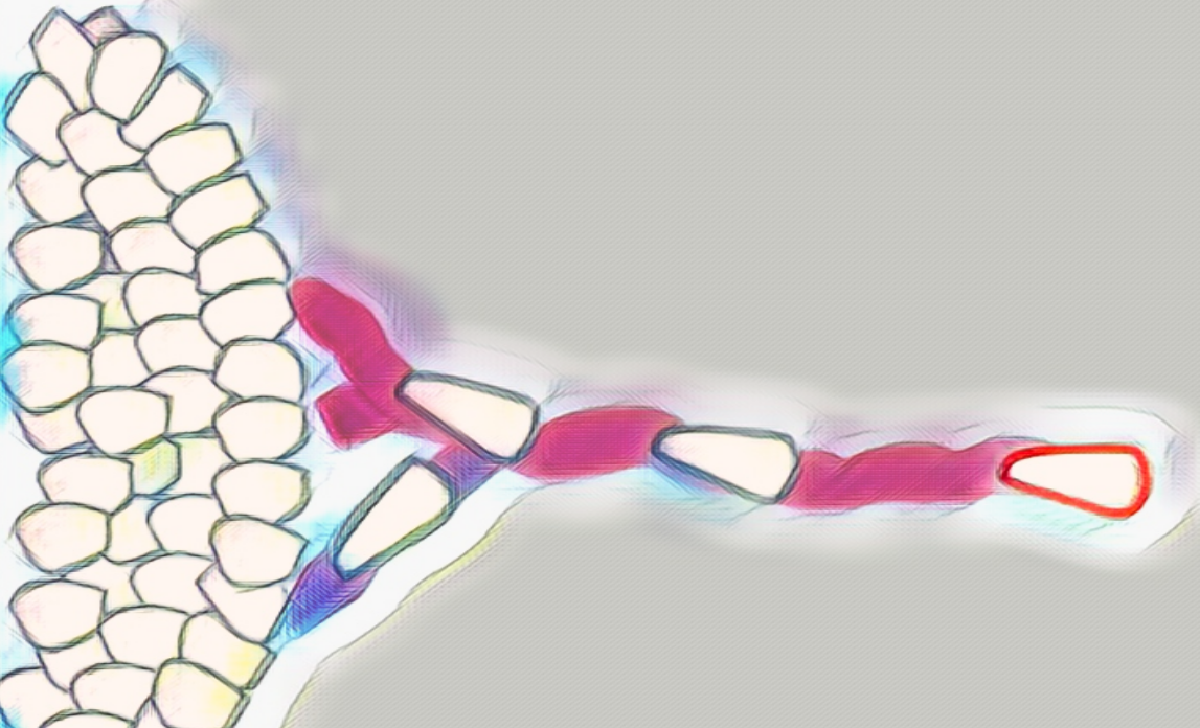
Cells don’t just move across their environment—they reshape it as they go, leaving footprints that can strongly influence their future motion. A central goal of my research is to understand how these feedbacks between cell motility and the environment generate new migration strategies in both single cells and collectives.
Cells use their footprints to change their migration strategies#
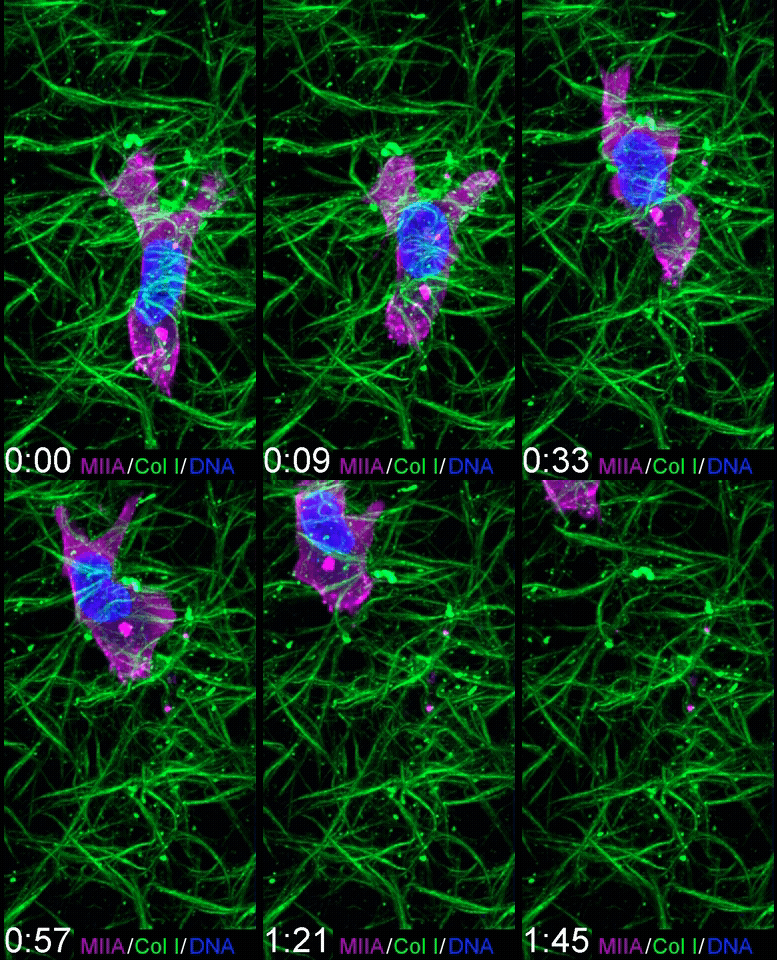
In my recent research, I explored how cells can change their migration strategies by interacting with molecular footprints they leave behind. My work builds on studies showing that migrating cells leave molecular footprints on the ECM, which can induce oscillatory motion.
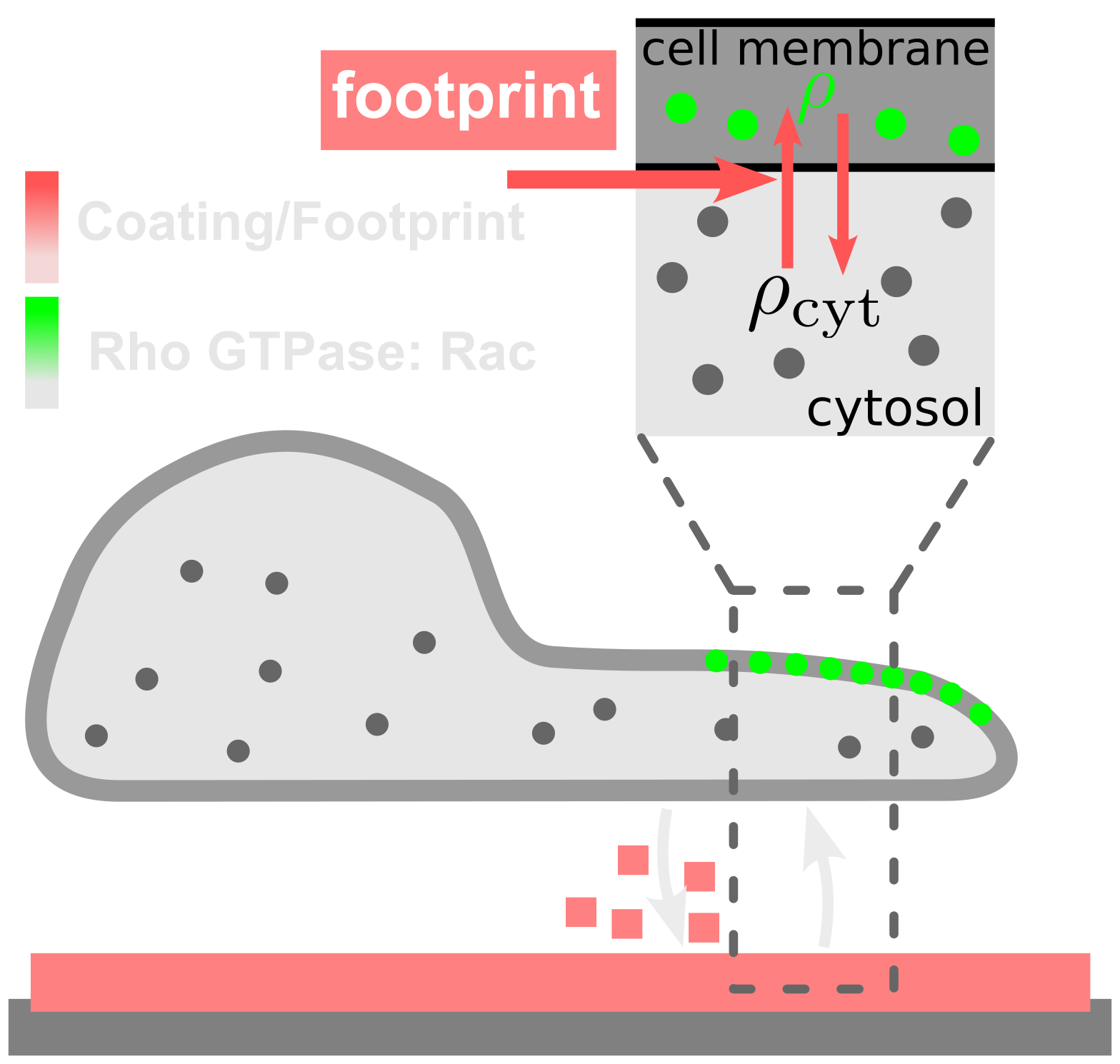
We developed a mechanistic framework that couples cell shape, a deposited footprint, and intracellular polarity signaling. In the model, a phase‑field description of the cell is linked to a polarity module in which local contact with the footprint activates Rac1, biasing protrusion toward previously explored regions. This creates a positive feedback loop: the cell moves, deposits more footprint, and becomes more likely to move along that path again.
Geometry plays a central role. On 1D micropatterned stripes, our model reproduces oscillations whose amplitude grows as cells repeatedly revisit their own tracks.
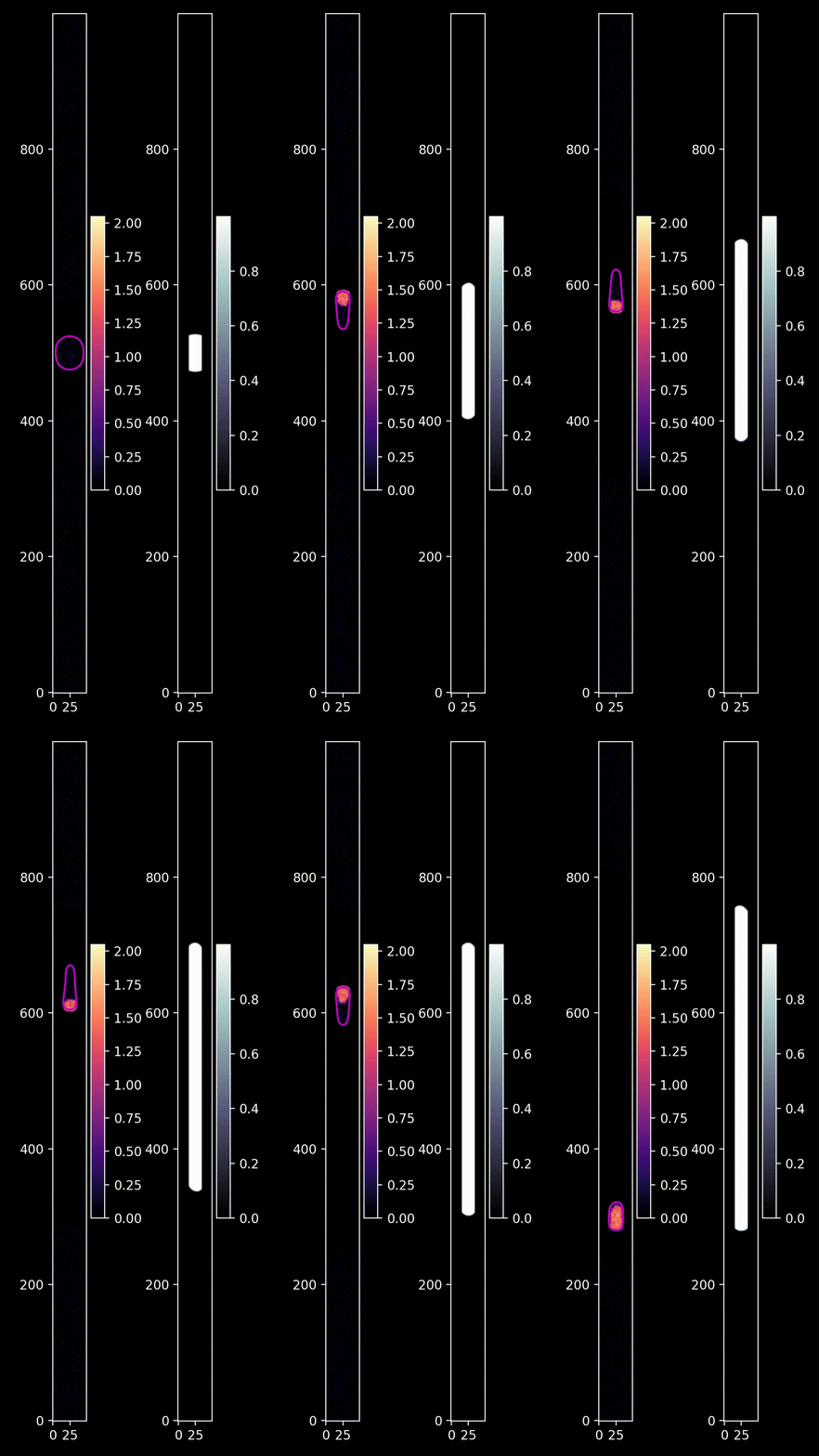
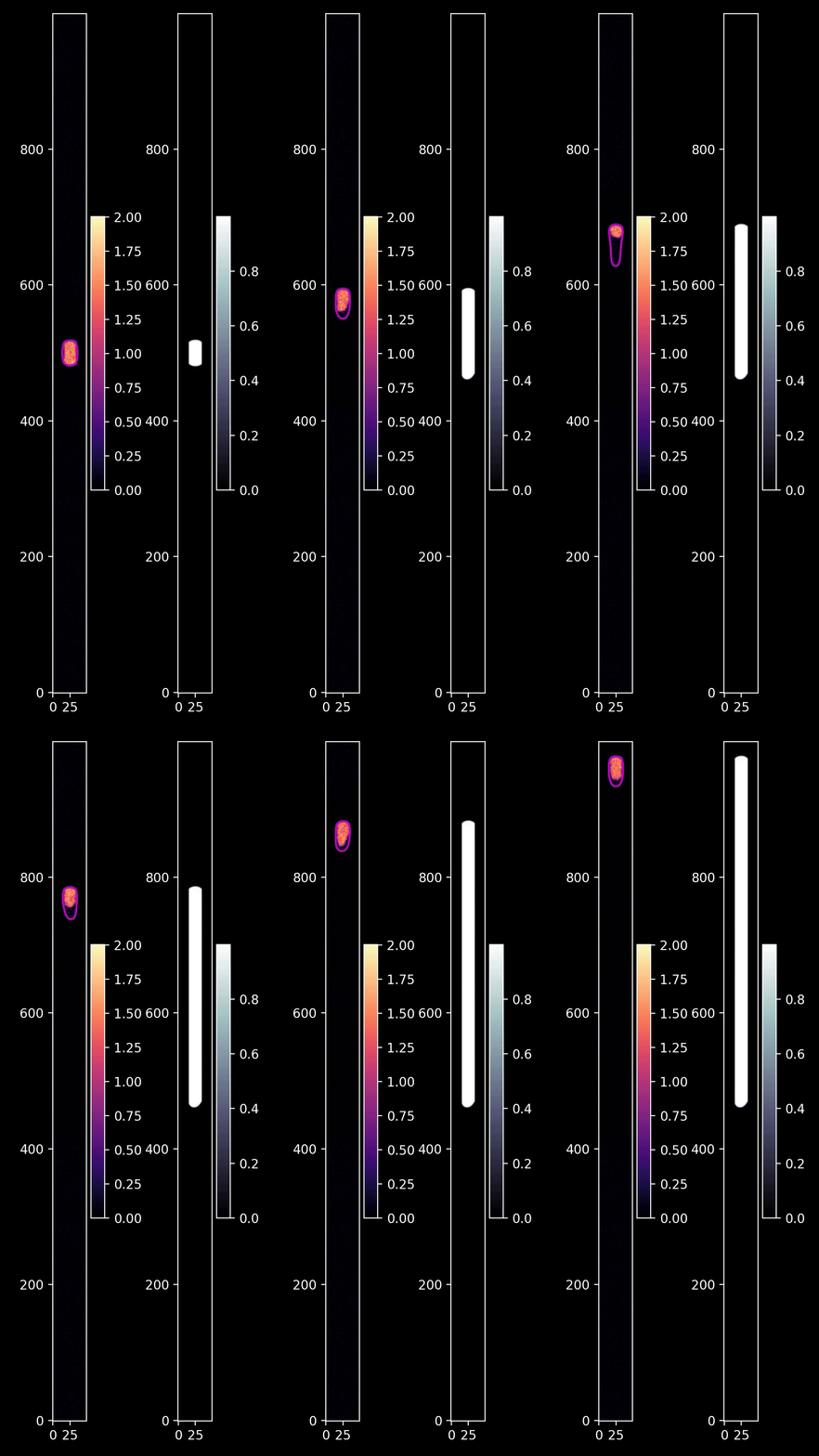
By varying two key factors— such as the rate cells deposit footprint—we find sharp transitions among confined motion, oscillatory back‑and‑forth motion, and persistent exploration. Small parameter changes can therefore produce large behavioral shifts, suggesting that modest biochemical or mechanical regulation may toggle a cell between being trapped and being exploratory.

In 2D, the same basic mechanism yields two distinct outcomes: circularly confined trajectories that slowly expand, and fully exploratory paths that escape confinement. We revisited experiments on 2D substrates and observed both expanding circular motion and exploratory migration, consistent with the model’s predictions.
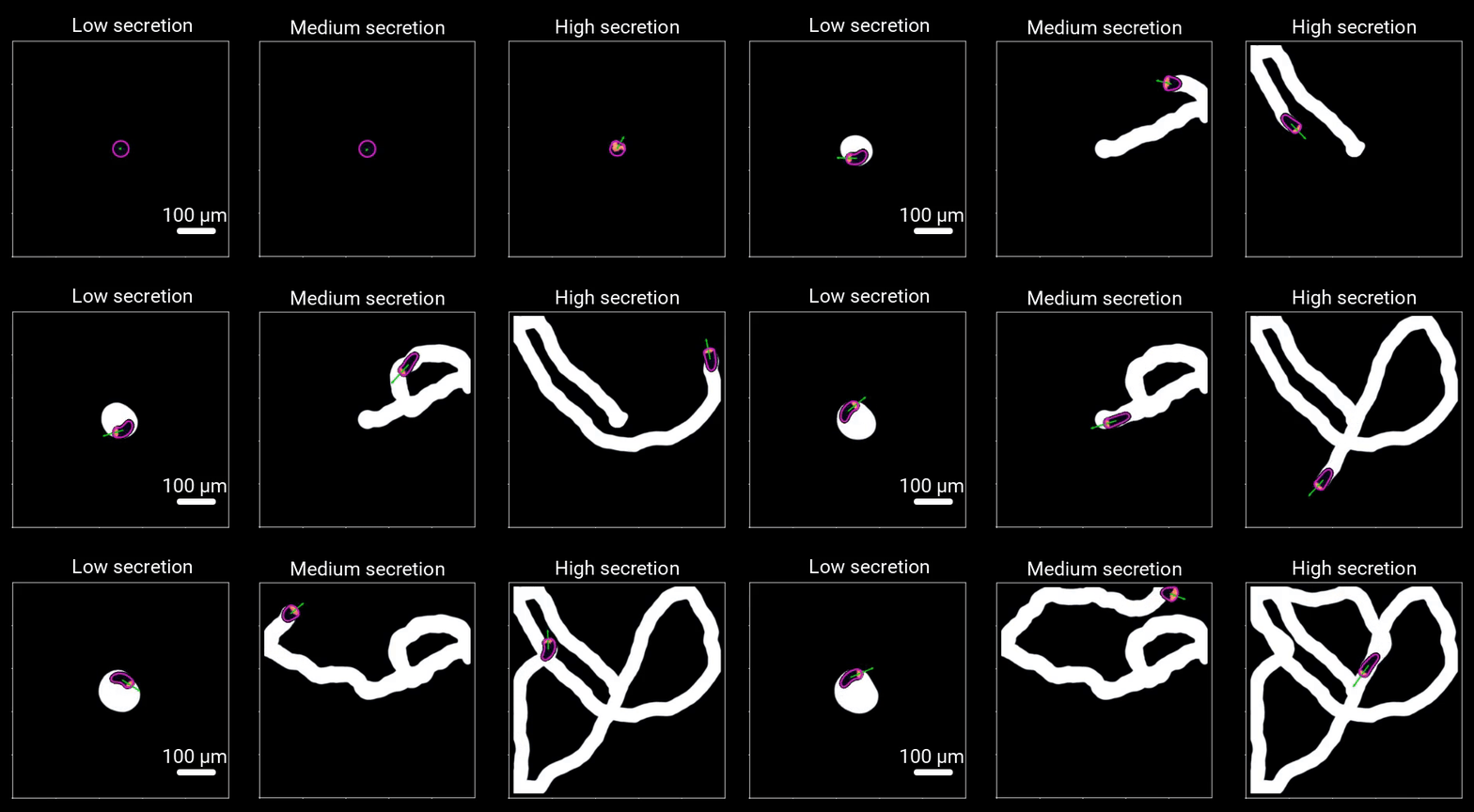
Overall, our results support a simple principle with broad implications: cells can use their own footprints to control their migration strategy.
- Perez Ipiña, E., d’Alessandro, J., Ladoux, B., Camley, B. A. Deposited footprints let cells switch between confined, oscillatory, and exploratory migration. Proceedings of the National Academy of Sciences 121.22 (2024): e2318248121 link.